Courthouse will closed all day Friday, June 19, 2026 in observance of Juneteenth Day.
X
About Us
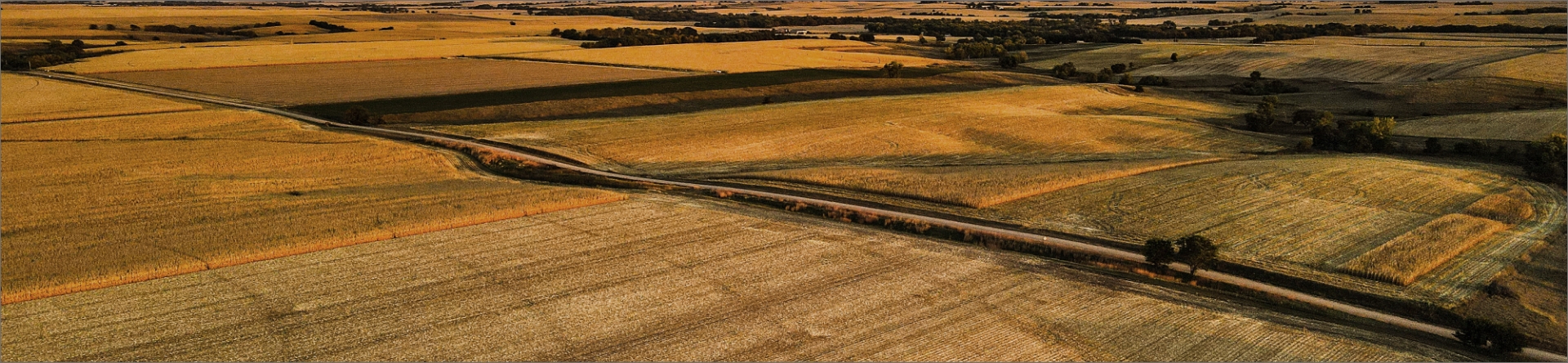
Madison County is located in the northeastern part of the state and has an area of 576 square miles, or 368,640 acres.
There are six communities located within Madison County: Norfolk which is the largest, Madison which is the county seat, Battle Creek, Meadow Grove, Newman Grove, and Tilden.
Madison County, Nebraska is approximately 120 miles northwest of Omaha and 70 miles southwest of Sioux City, Iowa. The Elkhorn River flows through the county.
Population
34,876 (2010 census)
Principle City
Norfolk
Area
576 Square Miles
Interested to see what Madison County has to offer?
For information about events & attractions visit the link below!
From an exploration to a Gold Rush and railroads to the county we are today! Learn was triggered Madison County’s growth of the centuries.
Madison County experienced exploration as early as 1795, when James Mackay mapped the county during his exploration of the Louisiana Territory. Louis and Clark held council in 1804 with local Native Americans in Madison County.
In 1859, General John M. Thayer sent a small army from Omaha to the present site of Norfolk to pursue a band of Native Americans who had stolen property from settlers. However, Chief Peta-le-sharu surrendered and Battle Creek is named for this battle, which was never fought.
The Homestead Act of 1862 allowed many people to travel west in search of free land. Among these travelers was a group of 125 from Wisconsin of German descent. They were led by Herman Braasch and Louis Heckendorf who settled at the junction of the Elkhorn and North Fork rivers. This group came by wagon, with four oxen and two cows per family, but only seven men had horses. When the group arrived at their destination, they found a small group of settlers who had come a few months beforehand from Illinois. Not wanting to live among the Germans, the group from Illinois moved to Columbus. Several settlers later moved and re-settled on Union Creek, forming what later became the town of Madison. Others started a settlement at present-day Battle Creek the same year.
The settlers lived in their wagons while their log cabins, sod houses, or dugouts were being built. Many suffered through harsh conditions such as locusts, blizzards, floods, and prairie fires throughout the beginning of their settlement. In December of 1867, the county was officially organized. The county was called Madison, as a tribute to the capital city of the settlers former home in Wisconsin. Norfolk was chosen as the county seat, but later a dispute arose and by a majority vote, Madison became the new county seat.
Soon after the organization of the county, many more settlers moved to Madison County. In 1874 the government land office was opened in Norfolk, and stage coach lines were established from Norfolk and Madison to Wisner, O’Neill, Niobrara, and Columbus. The Madison Review, the first county newspaper, was first printed by T.M. Blakely in 1874.
The gold rush to the Black Hills in 1876-1878 provided an increase in business and trade in Madison County. Trains of wagons carried food provisions to the miners, helping the county to prosper.
At this time, railroads were connecting more and more cities across the United States. Numerous proposals were made for a railroad going from Sioux City to Kearney that would pass through Madison County, and in 1876 bonds were voted to start construction but the project was abandoned. Three years later the Fremont, Elkhorn, & Missouri Valley Railroad was built and reached Norfolk. One year after that, the Omaha, Niobrara, & Black Hills Railroad reached Norfolk.
In 1882 the St. Paul & Sioux City Railroad also reached the county. The railroads provided an increase in business and profits for merchants and farmers within the county, triggering a significant population growth. The completion of a railroad lines paved the way for a successful future for Madison County.






 Scroll To Top